
Why Dish Soap Isn’t Safe for Everything in Your Home?
Have you ever wondered if your favourite dish soap might damage anything around your house that is fragile? Dish soap isn’t safe for all kinds of surfaces and items. Dish soap is a fantastic product when it comes to washing dishes, although not all materials respond to it. There are surfaces that become dull, others get ruined, and others put up with stop functioning correctly. Safe and effective house care is impossible without the right product.
An intelligent house cleaning schedule recognises the fact that the right tool to fit the right job is vital. This is essential in case you do not want your house to fall into poor condition with unforeseen repair expenses. In this blog, you will also hear many things that you should never wash with dish soap, and also get tips from a cleaning expert in deep home cleaning on how to clean your house better.
1. Electronic Screens
The anti-glare and protective coating of the screens can be damaged by dish soap. Dish soap isn’t safe for TVs, phones, or computer monitors. There is a streak on it and even marks that are permanent when used on your TV, phone, or computer monitor. Always clean electronics gadgets carefully. Wipe with a dry microfiber cloth or pure water. Do not spray screens with liquid. They are regularly dusted to keep them clear and bright. To clean it thoroughly and safely, always follow the instructions of the manufacturer. This is a minor precaution that will save you a lot of money on fixing and prolong the usage of your equipment.
2. Dishwashers and Washing Machines
Dish soap makes too much of bubbles, which may overflow and spill out the mechanical components. The machines are constructed to accommodate low-sudsing detergents that are able to clean effectively without the use of foam. In case of accidental use of the dish soap, run an empty cycle with vinegar to get away of the residue. Cleaning up your appliances is an aspect of professional cleaning practices that will make the appliances run efficiently and have a long lifespan. More importantly, always use a detergent that is machine-specific.
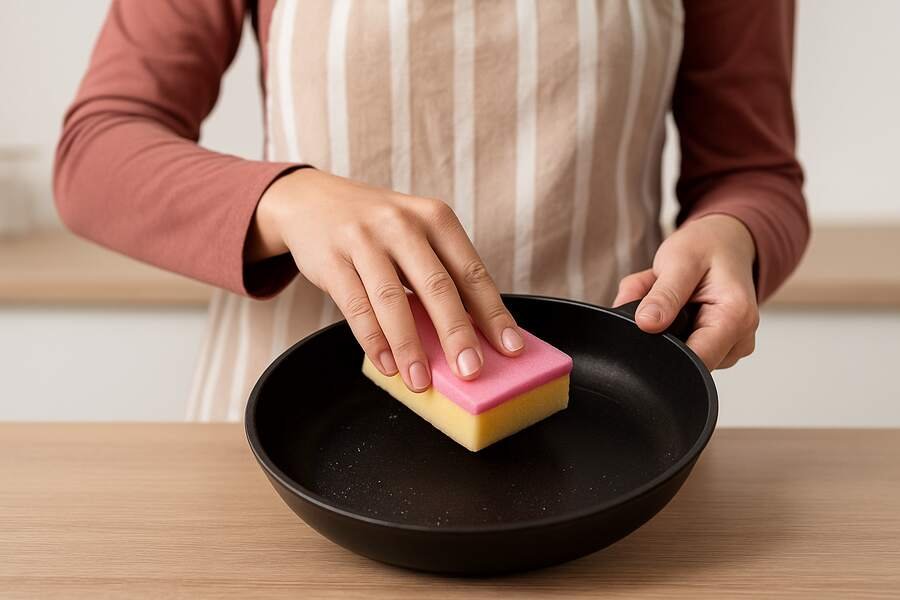
3. Cast-Iron Pans
The worst enemy of cast iron is dish soap. Dish soap isn’t safe for cast-iron pans. The seasoning layer, which forms a natural nonstick surface, is removed by the soap. In its absence, your pan rusts easily and becomes ineffective. To clean cast iron, sprinkling it with warm water, and scrubbing it with coarse salt, where there is need, and drying it thoroughly, is the best way. Wipe a bit of oil on it. This will prolong the life of the pan for a few years.
4. Unsealed Grout and Tile
Dish soap tends to creep into the grout and porous tiles and entrap moisture and dirt. With time, this leads to discolouration of the grout and makes it weak. Wipe down with grout cleaner and clean water. Grout should be covered to avoid accumulation. The frequent cleaning process makes tiles appear bright. Regular cleaning will give the best results in the future.
5. Antique or Hand-Painted Furniture
Painted pieces and antiques have delicate finishes, which are easily damaged with the help of dish soap. Harsh cleaners have the power to remove paint or burn the design. In case of such furniture, a mild cleaner or a piece of cloth that is slightly moistened with water can be used. First test on a small area, do not apply directly — an essential reminder under Tips for Furnished and Unfurnished House.
6. Pet Fur and Skin
The pets should be treated with a soft touch. Dish soap takes away natural oils in their skin and fur, causing them to become dry and irritated. It may decontaminate in the short run, yet may have deleterious effects on the health of their coat. It is important to apply animal-formulated shampoos. They contain healthy ingredients that are pet-friendly.
7. Clothes and Fabric
Dish soap is not suitable for washing all ty[es of clothes. It produces foam that is not emptied. This associates a residue that can irritate your skin and add additional dirt. Rather, apply laundry detergent or stain remover in a liquid state. They are supposed to remove the stains without colour and texture interference. This simple modification helps to make the fabric cleaner and thus improve its life. Wash manually with a small amount of weak detergent in cold water in case of delicate clothes.
8. Painted Walls
Walls that are painted flat or matte are weak. Dish soap can remove dull spots and streaks. Instead, a soft cloth in warm water was wiped down clean walls. A weakened cleaner on painted surfaces may be applied to harder stains. Walls are maintained clean and not disfigured by dusting and spot cleaning. This will assist in maintaining the look of your interiors, which would not need to be repainted frequently.
9. Interior Accents
Leather is a natural product that stays soft and flexible. Dish soap removes such oils, leaving the surface dry, cracked, or faded. The majority of people make that mistake and apply dish soap on leather products, thus decreasing the life expectancy of their products. For leather things, always use a conditioner or a leather-safe cleaner. It is worthwhile to keep the leather wet regardless of what the couch, handbag, or car seats. And even the simplest form of routine gives the impression of a new piece of furniture without a professional repair.
Conclusion
It might appear that it is easy to use dish soap to clean everything; however, smart expert cleaning would understand when it should be avoided. Every surface and material requires the appropriate attention to be achieved. With these nine rules, your home will be less likely to be damaged and will become cleaner even longer. It is smarter and more effective to develop awareness in areas where the dish soap is effective and where it is not.
Related Posts
Simple Ways to Eliminate Damp Carpet Smell
Have you ever entered a room and immediately we smelled that damp musty odor of…

Practical Cleaning Tips for Furnished and Unfurnished House
Have you ever pondered the fact that it is more complex to wash a furnished…
Easy Homemade Air Fresheners for a Refreshing Home
Have you ever entered your house and gotten a bad smell of food you had…